
What is a mechanical medium format film camera?
Medium format film cameras come in different shapes, sizes and formats. They take 120 roll film and can give you up to 16 shots per roll depending on the format. The main formats are 6×4.5, 6×6, 6×7 and 6×9. This corresponds to the size of the negatives in cm. There are also different form factors with SLR, modular SLR, TLR and rangefinder models available. A mechanical medium format camera requires no batteries to operate. They are simple machines that are easy to service and will last a lifetime (or two) if looked after.
Why choose a medium format film camera?
The main reason to shot medium format is the quality of the images. The negatives produced are much larger that 35mm and offer incredible detail. An negative from a 6×9 camera has the same 3:2 ratio as 35mm but is over 5 times larger.
Which one should I get?
Here are 3 great options for a mechanical medium format camera in 2025. I have chosen 3 different formats. Prices for complete cameras with standard lens.
Hasselblad 500cm (1970-1994)
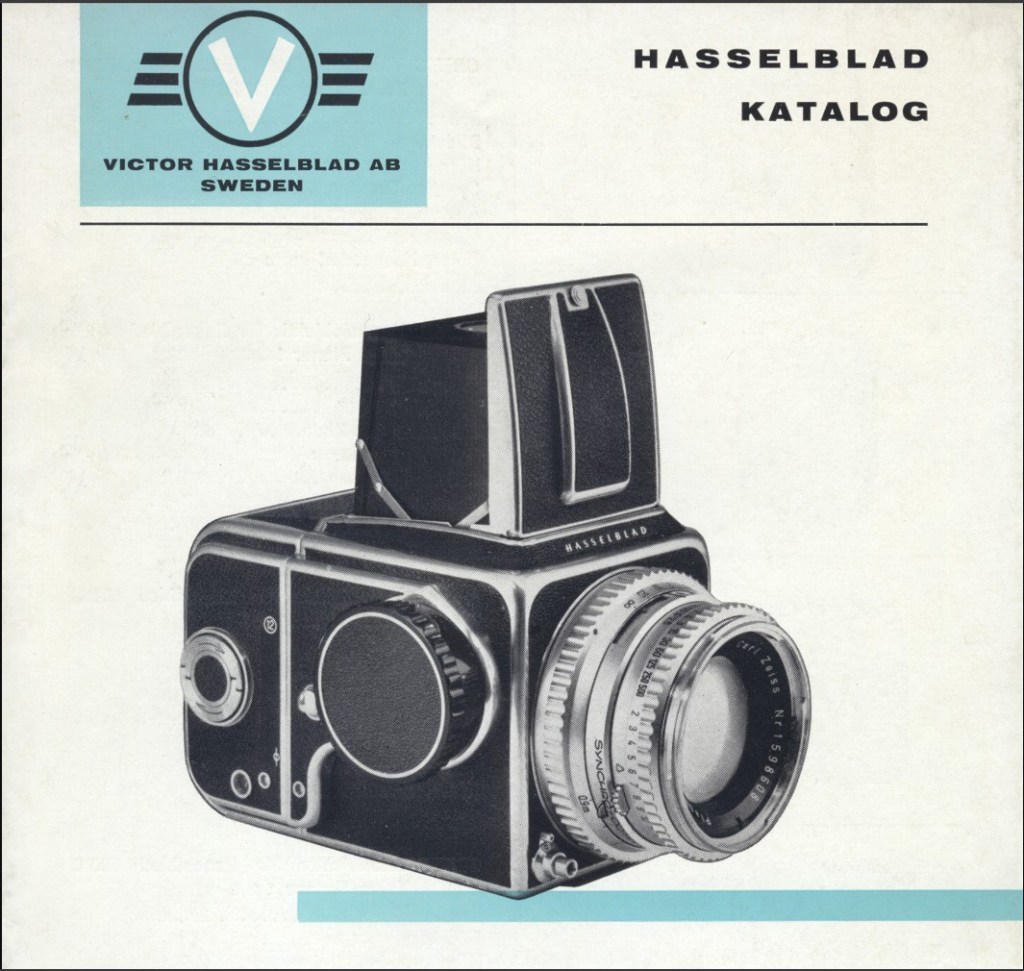
The Hasselblad 500cm is a photography icon. This 6×6 modular SLR, as well as its other 500 series cousins, went on Apollo lunar missions, featured on classic album covers and are still being used by professional photographers to this day. If you want to shoot square images, they don’t get any better than this.
Being a modular system, you can kit it out with a range of lenses, prism finders and have multiple backs loaded with different film stocks. The waist level finder and silver 80mm Carl Zeiss Planar lens is the classic configuration.
In the UK expect to pay £1500-£2000
Mamiya RB67 Pro SD (1990-2010)
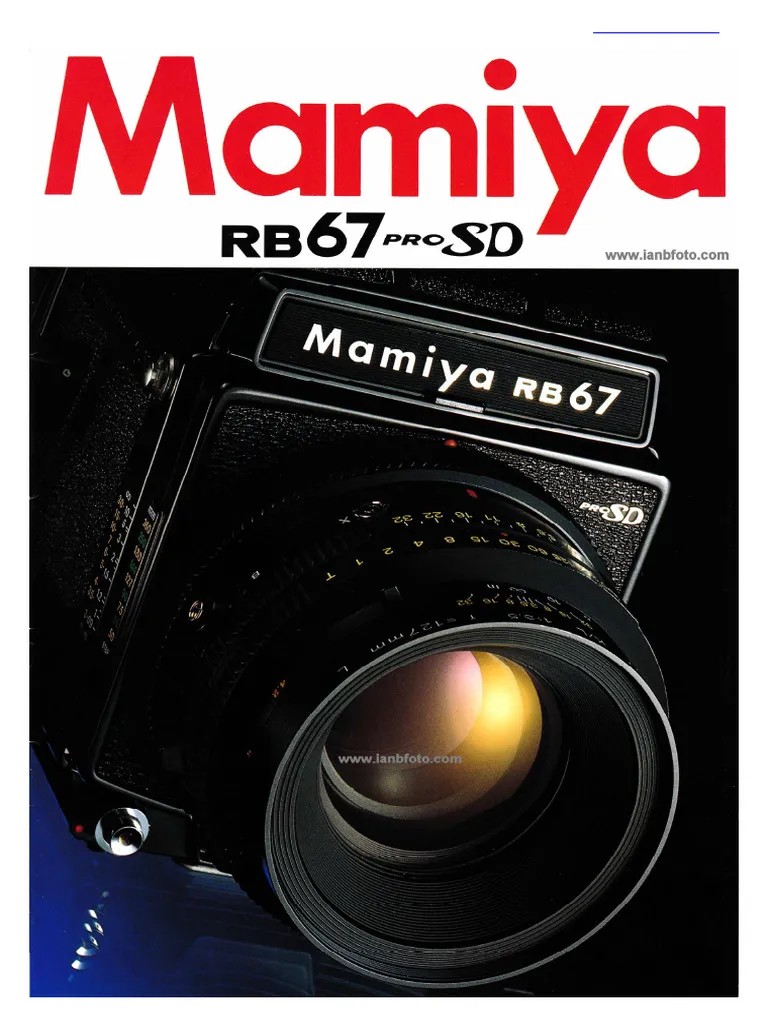
The RB67 had been around for 20 years when the final Pro SD version was released. This 6×7 modular SLR was designed for the studio, so is big and heavy. It also has quirky features, like bellows focusing and a rotating back. It was the standard issue commercial and portrait photography tool for decades. There is also a wide selection of accessories but the waist level finder, 6×7 back and 90mm KL lens is the standard configuration.
They are not handsome cameras, they were designed purely as tools. They do, however, produce amazing results and if can find one that was retired early, it will last for the rest of your life.
In the UK expect to pay £750-£1250
Fuji GW690III (1992-2003)
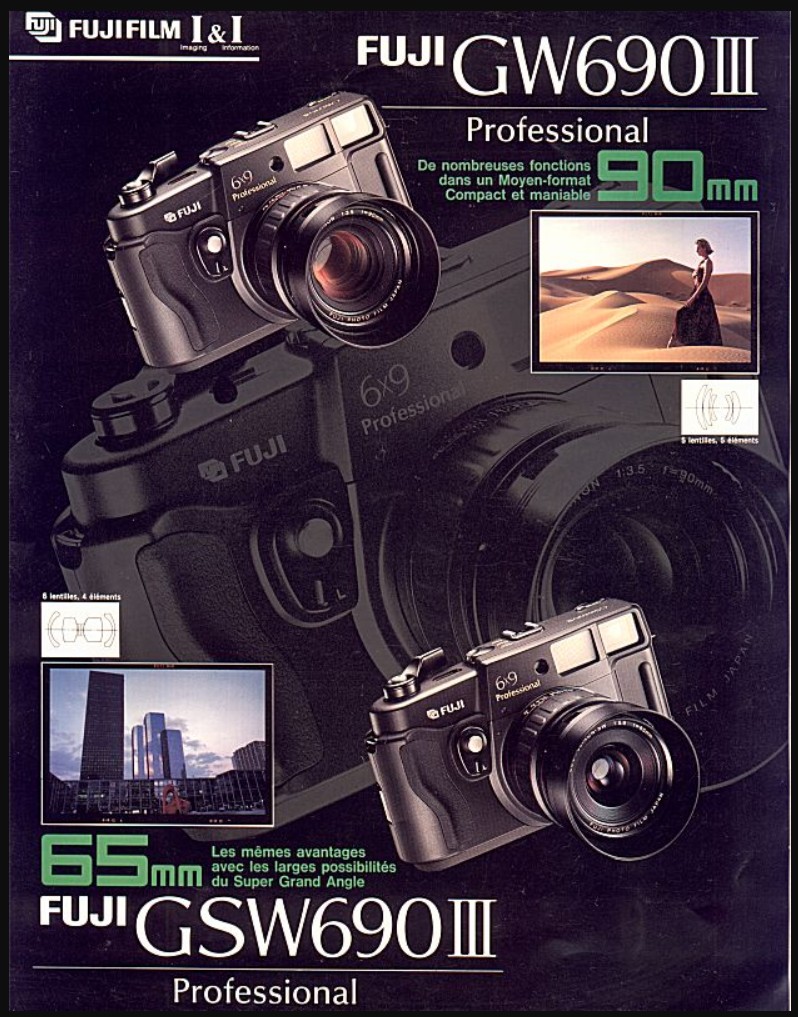
Fujifilm never followed the crowd, they did their own thing. When everyone else was making modular SLRs, they were making fixed lensed rangefinder cameras. The best (and wildest) of these was the GW690 series. Rangefinder cameras are generally associated with stealthy 35mm street photography, to be used rapidly, without thinking. You could use a GW690 like that but you will be changing films often, as you only get 8 of the enormous 6×9 images per roll.
The GW690iii was the final version and came with an amazing 90mm f3.5 lens. There is also the GSW690iii, which came with a wide angle 65mm f5.6 lens. Both lenses are stunning. If you like the 3:2 ratio of 35mm but want 5 times the detail, these 6×9 monsters will make you very happy.
If you are patient you will find one in the UK. If not, there a lots of great examples ready to import from Japan.
In the UK expect to pay £850 – £1350 (plus import fees)
 Film Photography Now
Leave a comment